War, Violence, and Displacement
Introduction Video
Video coming soon
Description
What does it mean to live through, remember, and bear witness to violence and displacement across generations? This collection explores this question in the context of Palestine, building on sources that examine the impacts of public and mental health, policy and international law, and media representation. It brings together sources that recognize both the historical and social events that shaped modern Palestine, as well as the impact of the current (2023-2026; ongoing at the time of writing) conflict on Palestinian people, including physical violence, social disruption, mental health consequences, and media portrayal. The materials include text-based historical, statistical, experimental, and philosophical sources, alongside visual imagery sources that depict historical and modern war and displacement.
A central theme in the collection is mental health, with a particular focus on the impacts of war on the mental health and daily life of children and adolescents. These survey-based analytical articles measure and describe how war shapes the daily lives and psychological well-being of children. While trends suggest high rates of mental disorder and the premature loss of youthful innocence, the same studies also show a strong resilience within the Palestinian population, which includes coping mechanisms that strengthen their communities.
The second key theme traces historical events of violence and displacement, including the 1936 Arab Revolt, the 1948 Nakba, the 1948 War, and the Lebanese Civil War, among many. The sources show that these events are remembered and interpreted in many different ways, and explore how personal and collective memory is shaped by emotion, trauma, and public narrative rather than being fixed in objective record. These sources also suggest a cyclical relationship between violence and displacement, caused by both external forces, such as occupation and segregation, and local responses. Continuous segregation and displacement invoke and intensify violence due to the removal of moderate masses and encouraging local competition for leadership, heightening violence throughout the region, reproducing further displacement
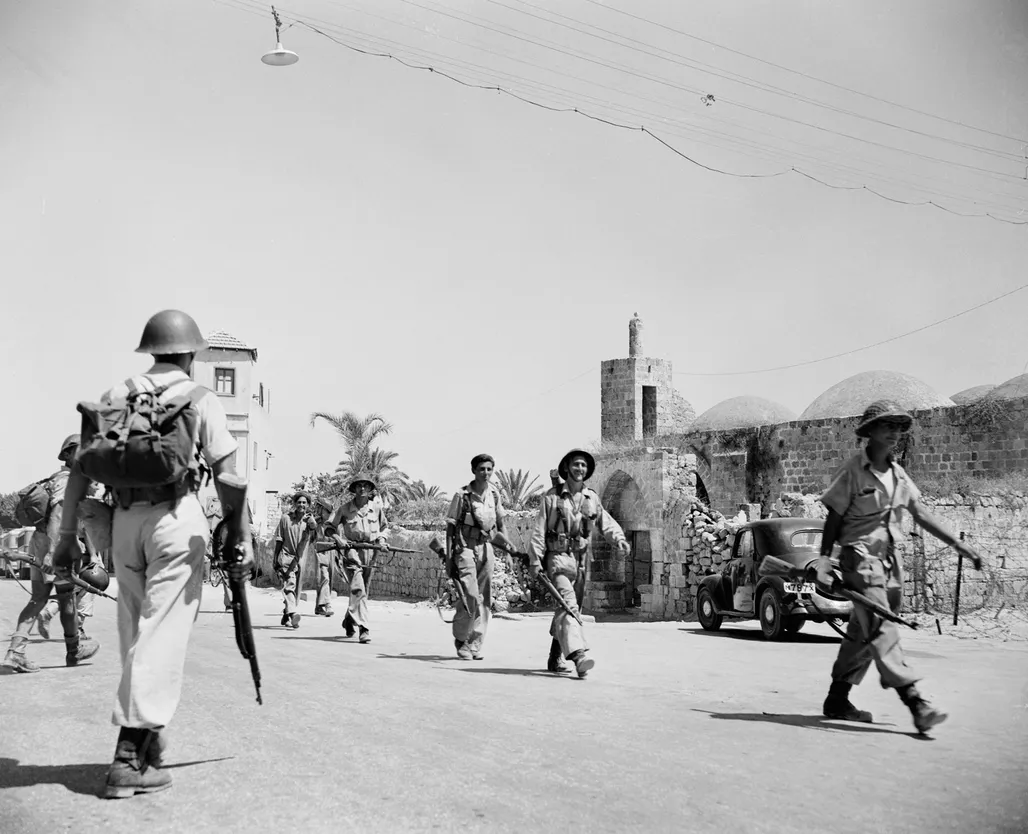
The third key theme revolves around how violent historical events are represented in journalism, literature, official accounts, and how these narratives shape the public’s perception of these events. Photography collections and newspapers with images depict the severity of violence and displacement that the Palestinians have suffered in the past and continue to suffer now. Analysis in wars described in textbooks, reports, novels, and testimonies suggests how these forms of narrative both reflect and influence the understanding of these events. The final theme centers on policy and international law, documenting both the historical policies that contributed to the Palestine conflict and the responses from the international community to the ongoing (2023-2026) genocide in Gaza. These sources recognize that the conflict in Palestine is motivated in part by historical and current policy decisions as well as the perception and actions (or inaction) of the international community. They also highlight what multiple international NGOs have identified as the inadequacy of current international law in addressing the conflict and holding those responsible accountable.